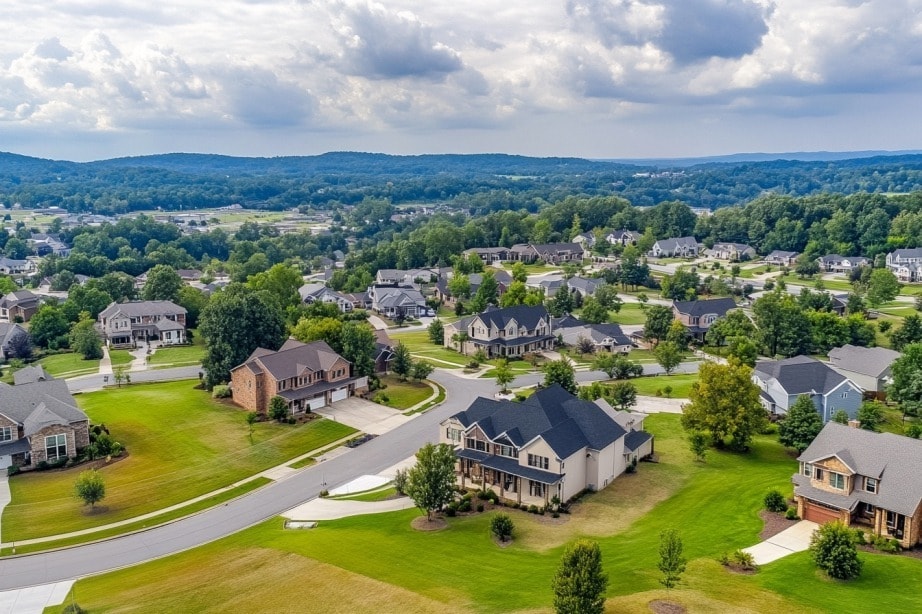
Conventional Loans in Tennessee: The Flexible Path That Fits More Buyers Than You Think

When people start exploring home loans in Tennessee, they often hear about FHA, VA, or USDA financing first. Those programs can be a great fit, but they’re not the only options worth considering. A conventional loan may offer the flexibility you need, whether you’re buying your first home, moving up, purchasing a second home, or investing in property.
Let’s take a closer look at what conventional financing means, how it compares with FHA, and why it can pay to shop around before choosing a loan.
So, What Is a Conventional Loan?
A conventional mortgage is a home loan that isn’t insured or guaranteed by a federal government agency. Many conventional loans are designed to meet guidelines set by Fannie Mae or Freddie Mac, the housing-finance companies that buy and support mortgages.
That’s different from an FHA loan, which is insured by the Federal Housing Administration. Conventional loans come in a range of programs, and the right fit depends on factors like your credit, down payment, home, and plans for the property.
For some qualified first-time buyers, a conventional down payment can be as low as 3%. Other buyers may choose to put more down to reduce their monthly payment or avoid private mortgage insurance (PMI).

Flexible for More Than a First Home
A conventional loan isn’t limited to one kind of buyer or property. Depending on the program and lender guidelines, it may be used for:
- A home you plan to live in as your primary residence
- A second home
- An eligible investment property
The down payment, credit, and other requirements can vary based on how you’ll use the home. Investment properties, for example, often have different requirements than a primary residence. We’ll help you understand what applies to your plans before you make a decision.
If you’re exploring a property beyond your primary home, take a look at our investment property financing options.
Conventional and FHA: What’s the Difference?
Both conventional and FHA loans can make homeownership possible with a smaller down payment. The details that affect your costs over time, though, can be different.
With some conventional programs, qualified first-time buyers may put down as little as 3%. Conventional loans with less than 20% down typically require PMI. In many cases, you can request PMI cancellation when your loan balance reaches 80% of your home’s original value, if you meet the applicable requirements. Automatic termination is generally required when the scheduled balance reaches 78%, provided the loan is current. Your servicer can explain the rules that apply to your loan.
FHA loans usually require an upfront mortgage insurance premium, as well as ongoing mortgage insurance. FHA mortgage insurance rules differ from conventional PMI rules, and how long it lasts depends on the loan terms and down payment. You can learn more about the FHA option on our FHA loan page.
In short: conventional PMI may be removable under certain conditions, while FHA mortgage insurance follows separate rules. The best comparison looks at your expected monthly payment and total costs, not just the down payment.
When Conventional May Be the Better Fit, and When It May Not
A conventional loan may be worth a closer look when:
- Your credit profile may qualify for favorable pricing.
- You want to compare a 3% down option with FHA financing.
- You’d like the possibility of removing PMI later, if you meet the requirements.
- You’re buying a second home or eligible investment property.
- Your loan amount is above the FHA limit for the property’s county.
FHA may deserve a closer look when a buyer’s credit or other qualifying details make its guidelines more suitable. A lower down payment alone doesn’t determine which loan costs less. The monthly mortgage insurance, interest rate, upfront costs, and length of time you expect to keep the loan all matter.
There’s no one-size-fits-all answer. We’ll compare the available options with you so you can make an informed choice.

Loan Limits: A Useful Part of the Picture
Conventional conforming loan limits are generally higher than FHA limits in many Tennessee counties. For 2026, the standard one-unit conforming limit is $832,750 in most counties. Some counties in the Nashville area have a higher limit of $1,029,250. The applicable limit depends on the property’s county and number of units, so it’s important to check the address.
FHA limits also vary by county. That means a loan amount that fits within the conventional limit may not fit within the FHA limit for the same area.
When a home’s price calls for financing above the applicable conforming limit, jumbo or other high-balance options may come into the conversation. The transition depends on the property location and loan amount, not simply a statewide cutoff. CFC Mortgage has jumbo and high-balance programs starting at 680 FICO. That’s a program detail, not a universal credit-score rule for every conventional loan.
For official limit information, visit the Federal Housing Finance Agency’s conforming loan limit page. We can help you check which limit applies to a specific Tennessee property.
Credit Scores and Tennessee Mortgage Rates
Conventional loans don’t have one single credit-score requirement that applies to every program and lender. Your credit score, down payment, loan purpose, and other details may all affect eligibility and pricing.
In general, stronger credit can qualify for more favorable conventional pricing. That’s one reason it’s helpful to look beyond a single quote when comparing Tennessee mortgage rates. A loan’s advertised rate may not reflect the full cost or fit your individual situation.
We work with more than 30 premium lenders, giving us different programs and pricing to review. As a mortgage broker in Tennessee, we work for you, not the bank. We’ll listen, compare available options, and explain what we find in plain English.
Why Work With a Local Mortgage Broker?
Buying a home is personal. You deserve more than a quick rate quote. You deserve someone who takes the time to understand your plans and keep you informed.
CFC Mortgage has more than 26 years of mortgage experience and deep roots in Hendersonville. We’re licensed in Tennessee, Florida, and South Carolina, and we help borrowers explore different paths to financing.
Our approach is straightforward:
- We shop options from 30+ premium lenders.
- We help you compare programs for your unique needs.
- We communicate and guide you through the process.
- We charge no broker fees, no origination fees, no discount points, and no underwriting fees.
Other costs, such as third-party closing costs, may still apply and will be explained as part of your loan disclosures.

First-Time Home Buyer in Tennessee? Start With a Conversation
If you’re a first-time home buyer in Tennessee, it’s normal to have questions about down payments, monthly costs, and what you may qualify for. You don’t need to have every detail figured out before reaching out. We can talk through your goals and compare conventional financing with other options that may fit.
Whether you’re looking in Hendersonville, elsewhere in Middle Tennessee, or a different part of the state, we’ll help you understand your choices and take the next step at a pace that feels comfortable.
26+ years of experience. 30+ lender options. Guidance centered on you.
Ask us whether a conventional loan may fit your plans. Contact CFC Mortgage, call (615) 357-7800, or explore conventional loan options. We’re here to help you find a clear path home.